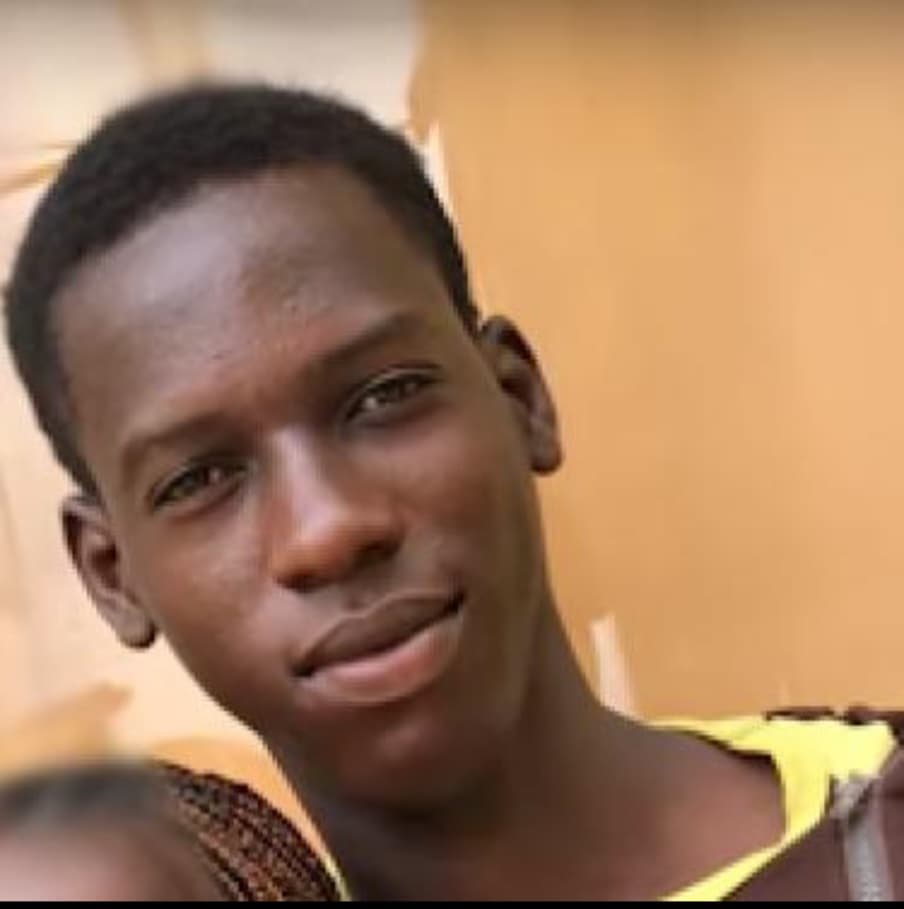
Since Tuesday, the 28th of April, when the issue of Justice Chidiebere, popularly known as Justice Crack, surfaced online, words have honestly failed me.
I have thought about it over and over again. I have reflected, questioned, and tried to understand the situation from every angle. And now, I believe it is the right time to lend my voice.
Not to discredit the government, but to call for accountability, responsibility, and fairness within the system and towards its citizens.
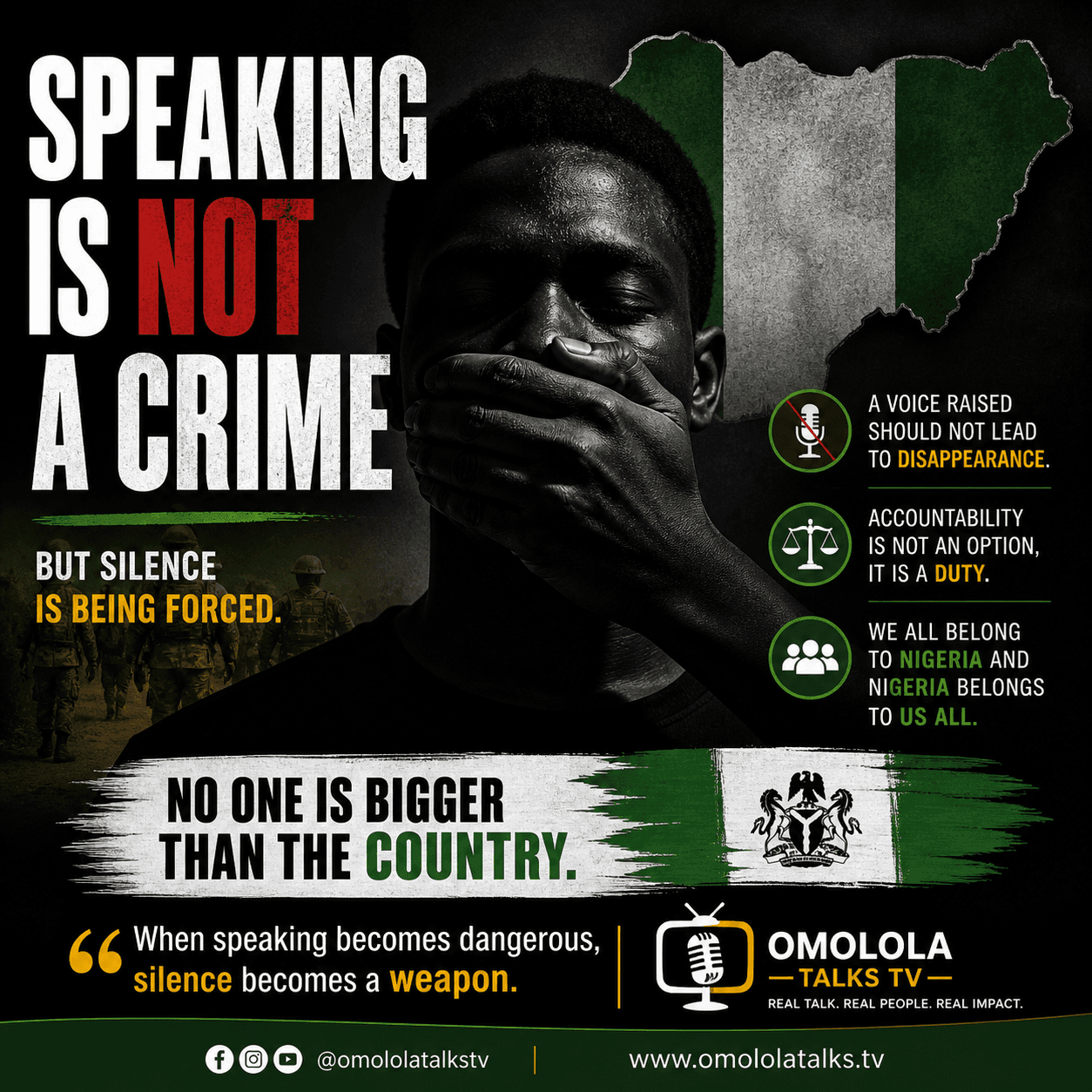
Because at the end of the day, we all belong to Nigeria, and Nigeria belongs to all of us.
No one is bigger than the country.
When Speaking Up Becomes a Crime – A Wake-Up Call to Nigeria
There is something deeply wrong when a citizen speaks, and instead of being heard, he disappears.
This is the reality many Nigerians are facing today.
The case of this online activist, known as Justice Crack, is not just about one man. It is about a system that is slowly teaching people to be silent. His message was simple. He spoke about the welfare of soldiers at the war front. He spoke about the kind of food they were given. He spoke about the reality that those risking their lives for the country deserve better.
That should not be a crime.
But somehow, it became one.
For days, he was missing. No clear statement. No transparency. Just silence. It was only after public pressure grew that the Nigerian Army came forward that he was in their custody.
That raises serious questions.
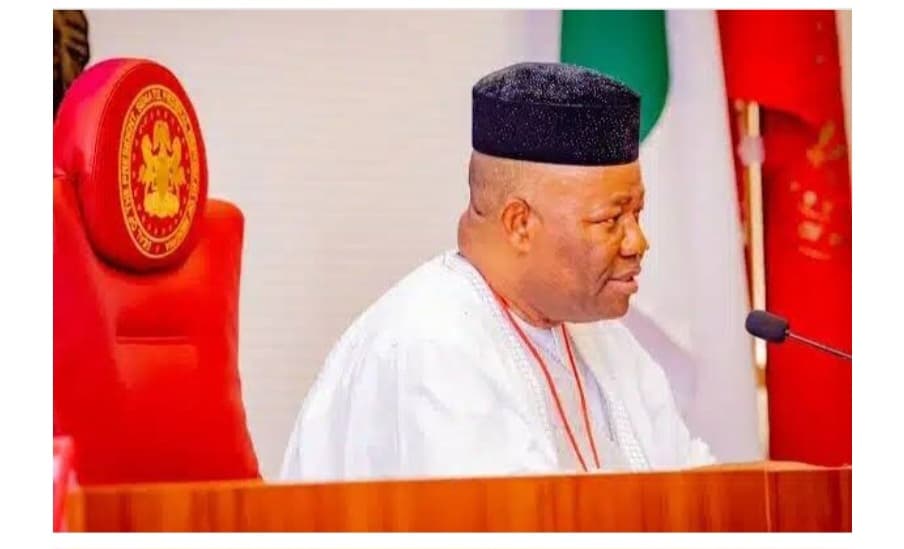
In a democratic society, can the military arrest a civilian simply for speaking? Under the law, the military is not meant to prosecute civilians. That responsibility lies with proper civil authorities like the police or security agencies operating within legal frameworks.
So what happened here?
Was this an arrest, or was it intimidated?
When someone is taken without clear communication, without immediate accountability, people will not call it arrest. They will call it what it feels like—fear.
The Real Issue: Welfare of Those Who Protect Us
Let us not lose focus.
The real issue is not just Justice Crack. The real issue is what he spoke about.
Nigerian soldiers are at the front lines, facing insecurity, risking their lives daily. Yet, stories keep coming out about poor welfare. Food that is not fit. Conditions that do not reflect the sacrifices being made. Reports that some even struggle to afford basic things, including uniforms.
If this is true, then the problem is deeper than one activist.
It becomes a question of responsibility.
Is the government not doing enough?
Or are those in charge of welfare mismanaging what is provided?
Because one thing is clear. Somewhere along the line, something is not working.
Silencing Soldiers, Punishing Truth
There is also a culture within the military that discourages speaking out. Soldiers are expected to remain silent, no matter what they are going through. Any attempt to share their reality with the public often leads to punishment or dismissal.
We have seen it before.
Soldiers who speak truth get sanctioned. Those who question leadership get removed. Those who expose hardship are treated as problems instead of being heard.
But silence does not solve problems.
It only hides them until they become bigger.
Why Government Must Accept Criticism
A government that can not accept criticism is a government that is afraid of accountability.
Criticism is not disrespectful.
It is not rebellion.
It is not an attack.
Criticism is feedback.
It is the voice of the people saying, “Something is not right. Please fix it.”
In every functioning society, criticism is part of growth. Leaders are expected to listen, reflect, and respond. Not with force. Not with intimidation. But with responsibility.
Because leadership is not about control.
It is about service.
Nigeria Deserves Better
What happened to Justice Crack should not be normal.
No Nigerian should disappear for speaking. No citizen should feel unsafe for raising concerns about national issues. And no soldier should be left to suffer in silence while risking everything.
Nigeria is too great a country for this kind of pattern.
We can not continue like this.
When people begin to lose trust in institutions, when voices are constantly suppressed, when accountability is avoided, frustration begins to grow. History has shown us that when frustration reaches a certain point, it does not stay quiet forever.
That is not a threat.
That is a reality.
A Call to Do Better
For Omolola Talks TV, this is not about taking sides. It is about standing for truth.
The Nigerian government, at every level, must understand that listening to its people is not a weakness. It is strength.
The military must understand that protecting the nation also includes respecting the rights of the citizens they serve.
And as citizens, we must continue to speak—but wisely, responsibly, and courageously.
Because silence has never built a nation.
Only truth does.