When Words Weaken Justice: A Nation’s Pain and the Question of Accountability
In a time when Nigerians are still grieving, still burying loved ones, and still living in fear of insecurity, certain statements from those in positions of authority have left many people deeply unsettled.
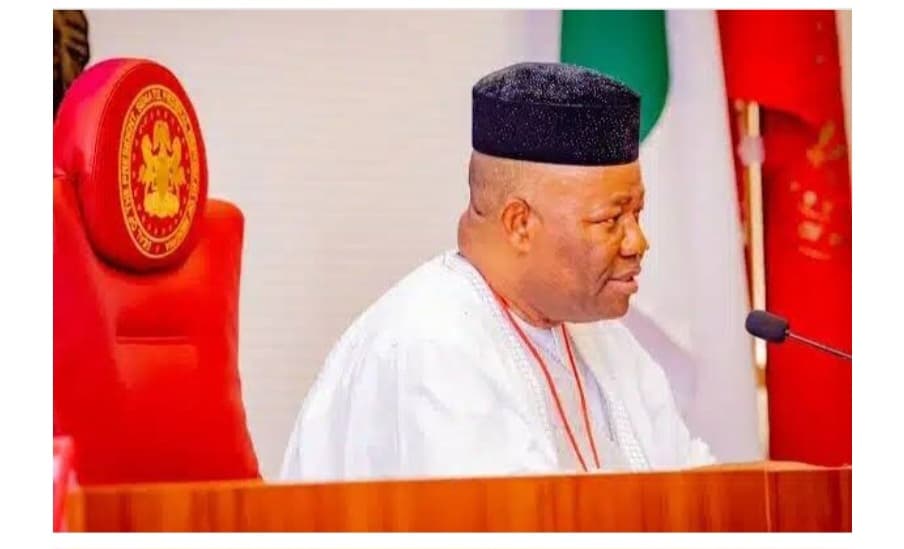
A recent remark attributed to a senior defence official suggested that if individuals involved in acts of terrorism choose to repent, they should be welcomed back into society.
On the surface, this may sound like a message of rehabilitation. But in reality, for many Nigerians, it raises painful and difficult questions.
Because this is not just theory.
This is people’s lives.
When Mercy Feels Like Injustice
Across the country, thousands of innocent lives have been lost to terrorism and banditry. Entire communities have been displaced. Families have been torn apart.
So when those responsible for such devastation are described in softer terms or presented as individuals who can simply return once they “repent,” it creates a sense of imbalance.
What does repentance mean in this context?
Who verifies it?
And more importantly, where does justice stand?
Mercy without accountability can feel like injustice to those who have suffered.
The Silent Question Everyone Is Asking
Many Nigerians are quietly asking:
Why does it seem easier to forgive those who destroy than to protect those who are destroyed?
Why does it feel like some actions carry less consequence than they should?
And what message does this send about the value of human life?
These are not questions driven by anger alone. They are rooted in pain, confusion, and a deep desire for fairness.
What About the Gallant Soldiers?
This conversation can not ignore the sacrifices of Nigeria’s soldiers.
Day after day, they go into dangerous territories, risking everything to protect lives and restore peace. Some never return. Others live with lifelong physical and emotional wounds.
So where do they stand in all of this?
What message does it send when those they are sent to confront are given a pathway back without visible justice?
How do we honour the lives of soldiers who gave everything if the system appears to soften the consequences for those responsible for the violence?
A Nation at a Crossroads
There is a growing belief among citizens that Nigeria has the strength, resources, and intelligence to significantly reduce, if not end, terrorism and banditry.
The concern, however, is not just about capacity. It is about consistency, clarity, and will.
When actions and statements begin to feel disconnected from the realities on the ground, trust begins to weaken.
And without trust, even the best strategies struggle to succeed.
When Reality Becomes Hard to Explain
Nigeria is a country full of brilliance, resilience, and potential. Yet, there are moments when its realities become difficult to explain.
Moments when people begin to question not just policies but the direction of the nation itself.
Moments when the weight of everything happening feels overwhelming.
Final Thoughts: A Call for Balance
This is not a rejection of rehabilitation. Every society must find ways to restore where possible.
But restoration must not erase accountability.
Compassion must not silence justice.
Nigeria is not just a system. It is people.
People who deserve safety.
People who deserve fairness.
People who deserve to know that their lives matter.
As conversations continue, one thing remains clear:
A nation can not move forward where justice feels uncertain.